
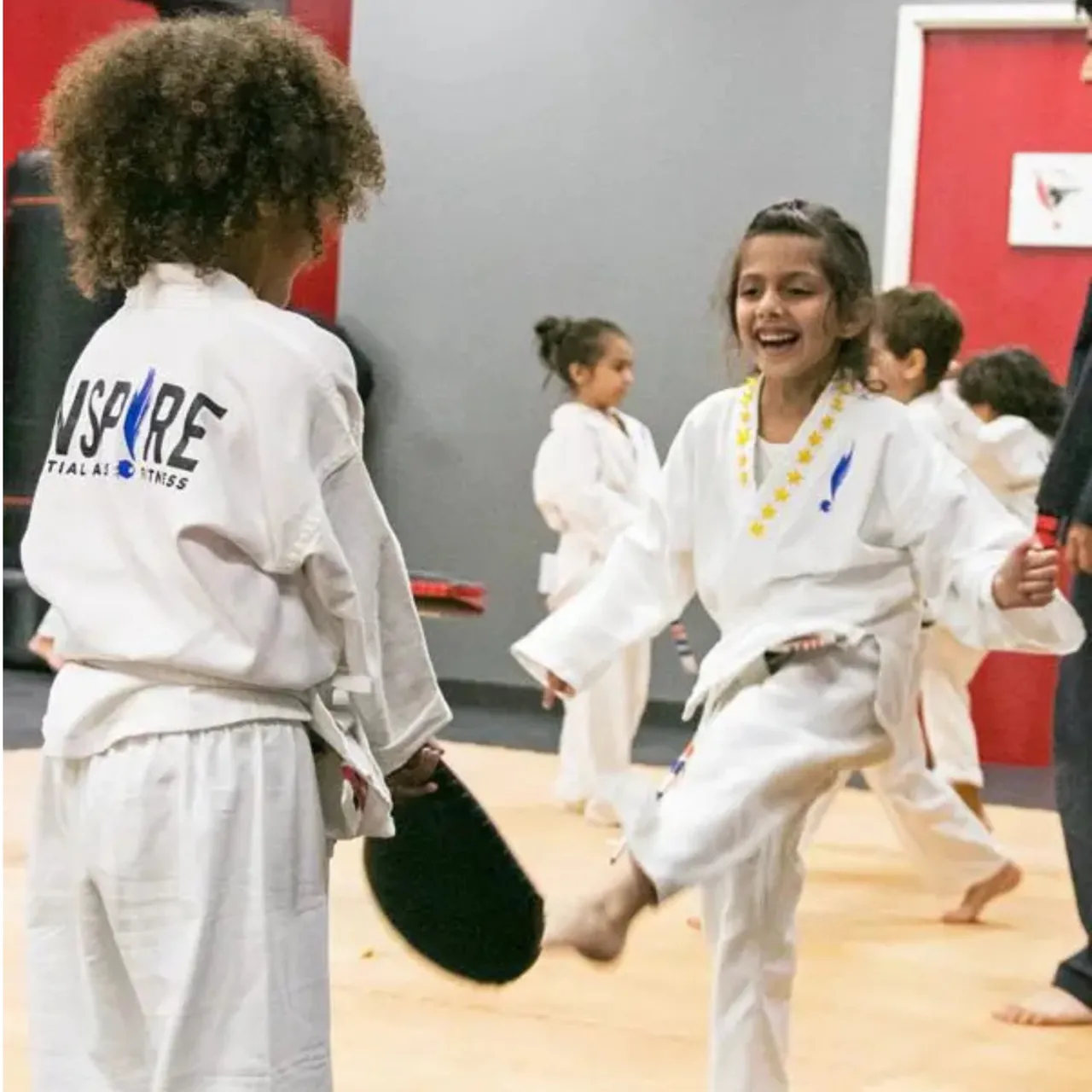
Martial arts can be a great activity for a shy or reserved child—but the goal should not be to “fix” their personality.
Quiet isn't broken.
The better question is whether the environment gives your child opportunities to participate, try difficult things and develop competence at their own pace.
Confidence Isn't the Same as Being Loud
We don't measure confidence by how much a child talks.
A quiet student can be tremendously confident.
What we're looking for is something deeper:
Can they step forward when it's their turn?
Can they attempt something difficult?
Can they recover from a mistake?
Can they speak or act when necessary?
Those are skills worth practicing regardless of personality.
Competence Changes How Kids See Themselves
Telling a child “Be confident!” isn't particularly useful.
Give them something they couldn't do yesterday and help them learn to do it.
Now there's evidence.
The child didn't have to pretend to feel confident.
They experienced progress.
Don't Demand a Personality Transformation
Your child may never become the loudest kid in the room.
They don't need to.
Martial arts should help students develop skills while allowing them to remain themselves.
The quiet child who eventually volunteers to demonstrate a technique may have taken a huge personal step even if another student wouldn't think twice about it.
Progress is personal.
Look for the Right Environment
If your child is reserved, watch how instructors handle hesitation.
Are children encouraged without being embarrassed?
Does the instructor notice individual progress?
Can students develop relationships over time?
Those things matter.
The objective isn't to manufacture a different child.
It's to give the child you already have meaningful opportunities to grow.
Start Your 3-Class Discovery Course with Inspire.